Greenmaker
Greenmaker
Greenmaker
Date: Feb 2023
0-1 Product, B2C
UX Research, Product Strategy, Gamification, Prototyping
Greenmaker: Reforestation App for Growth
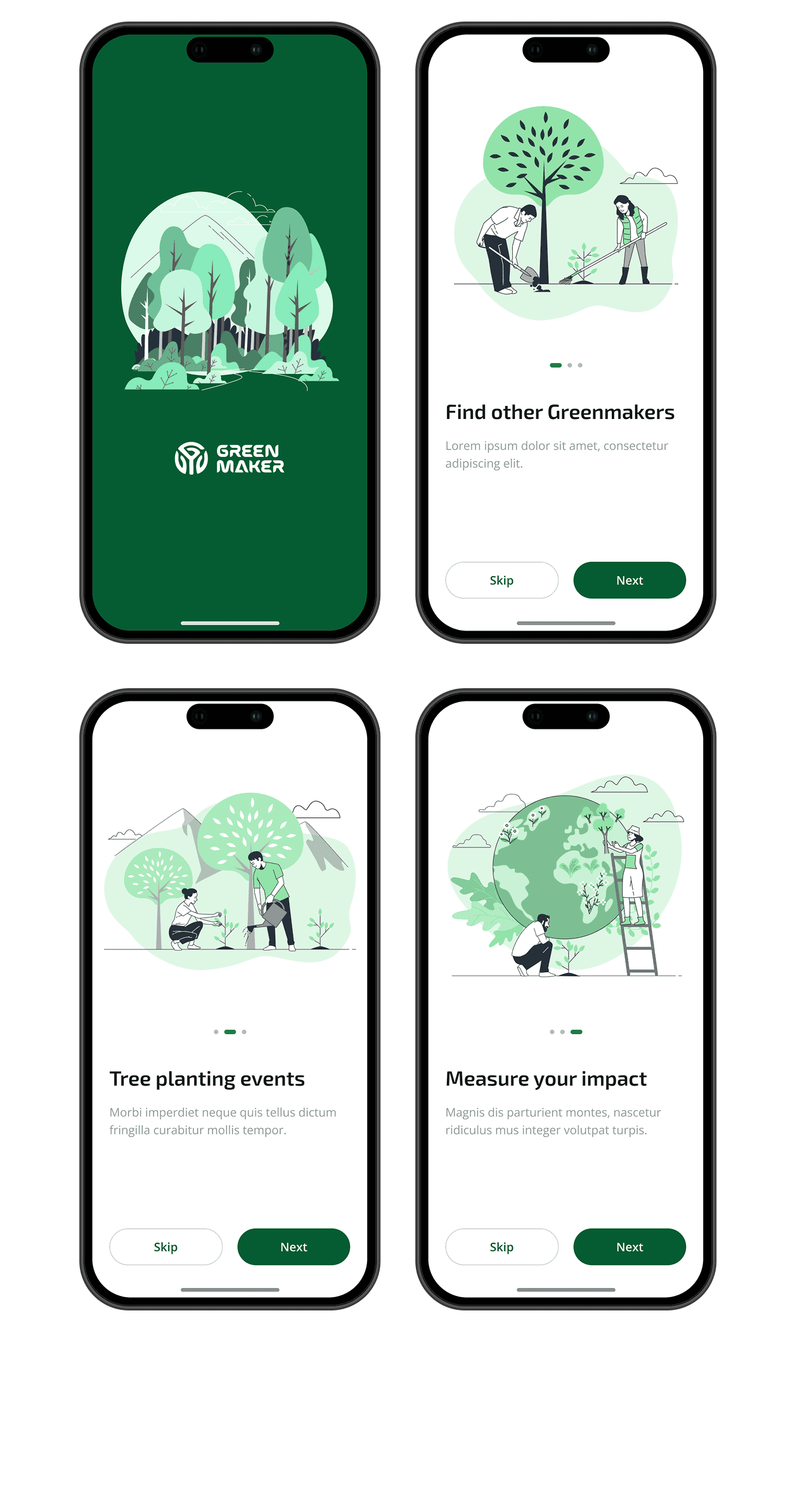
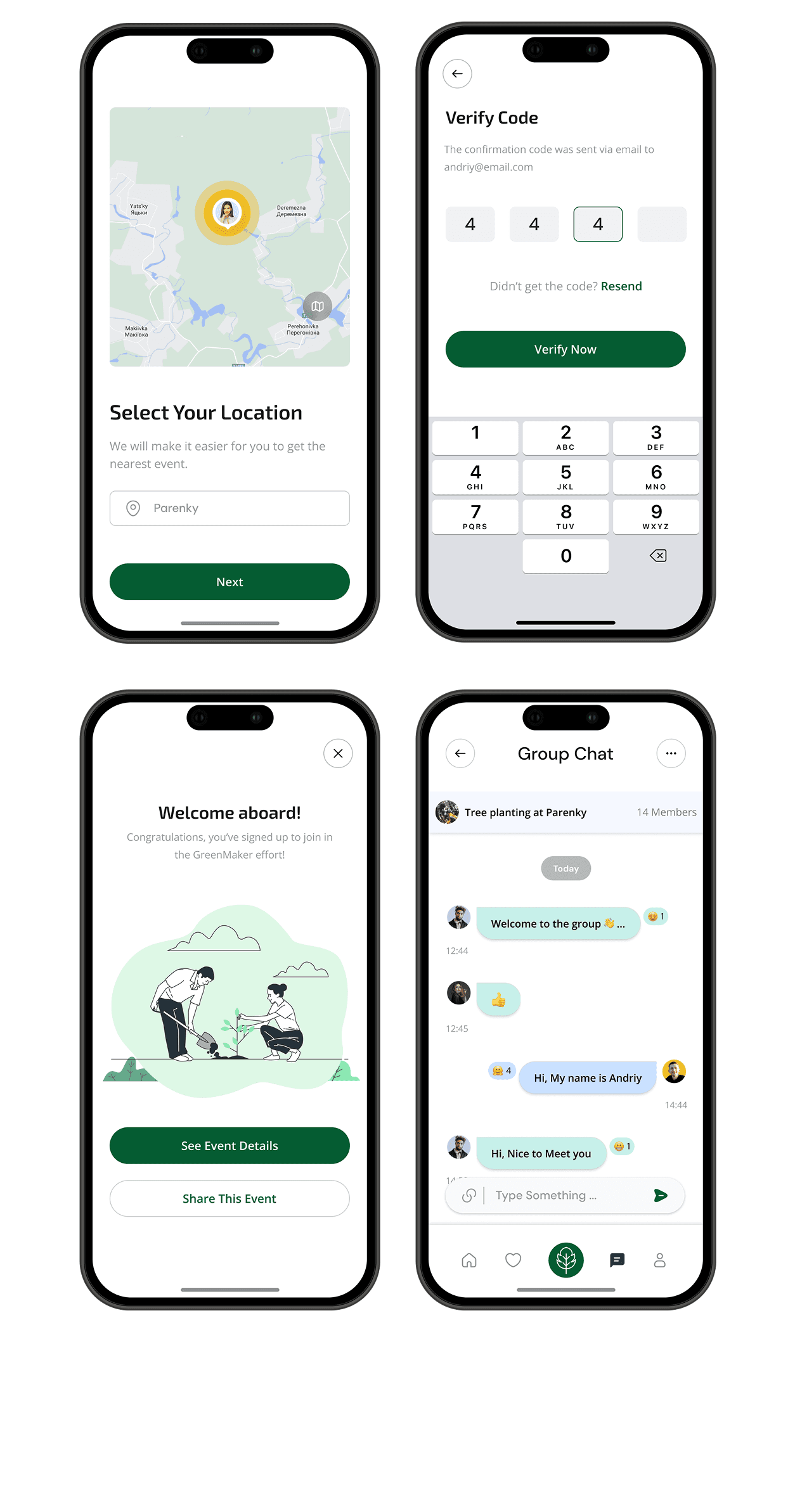
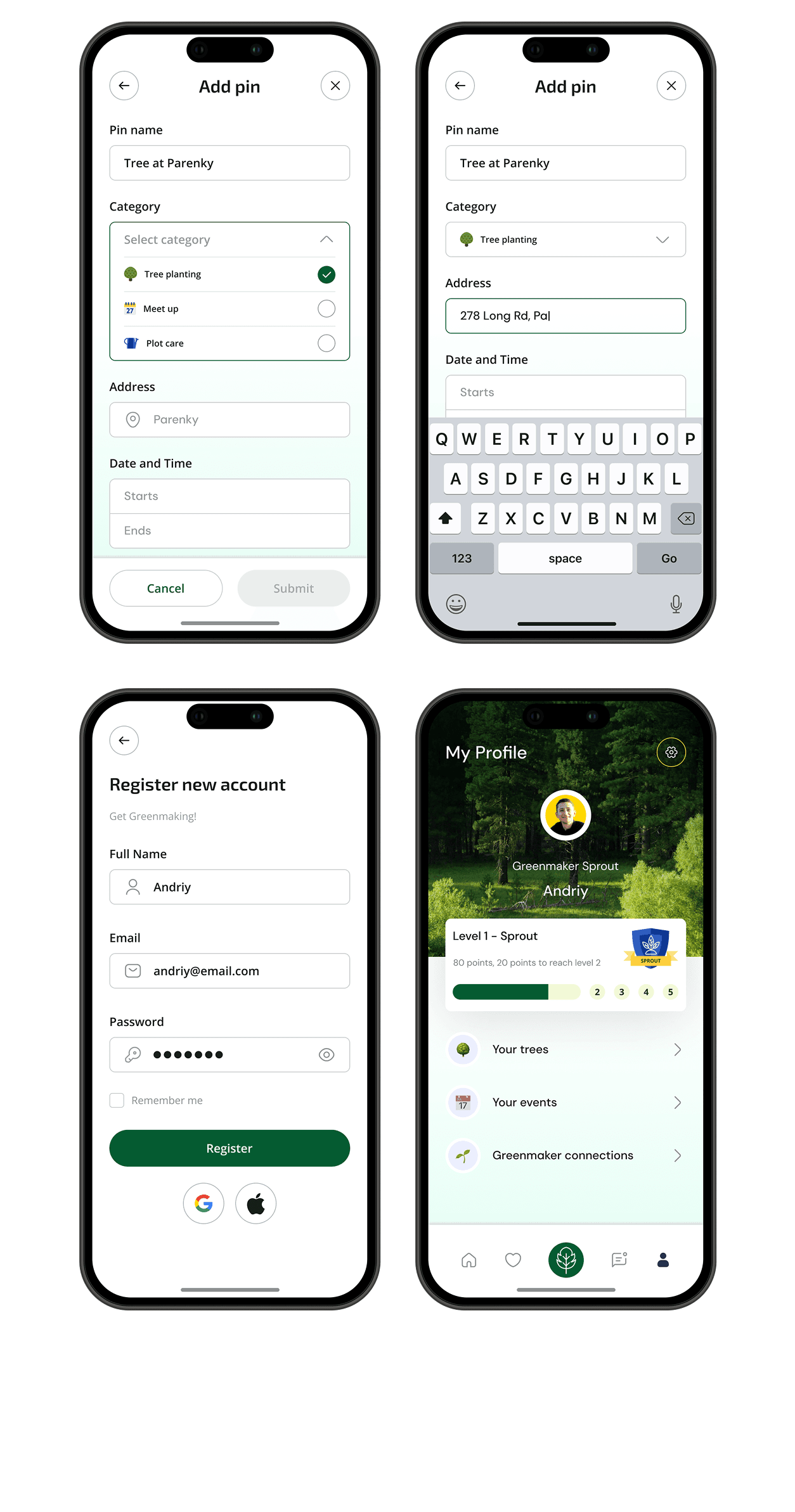
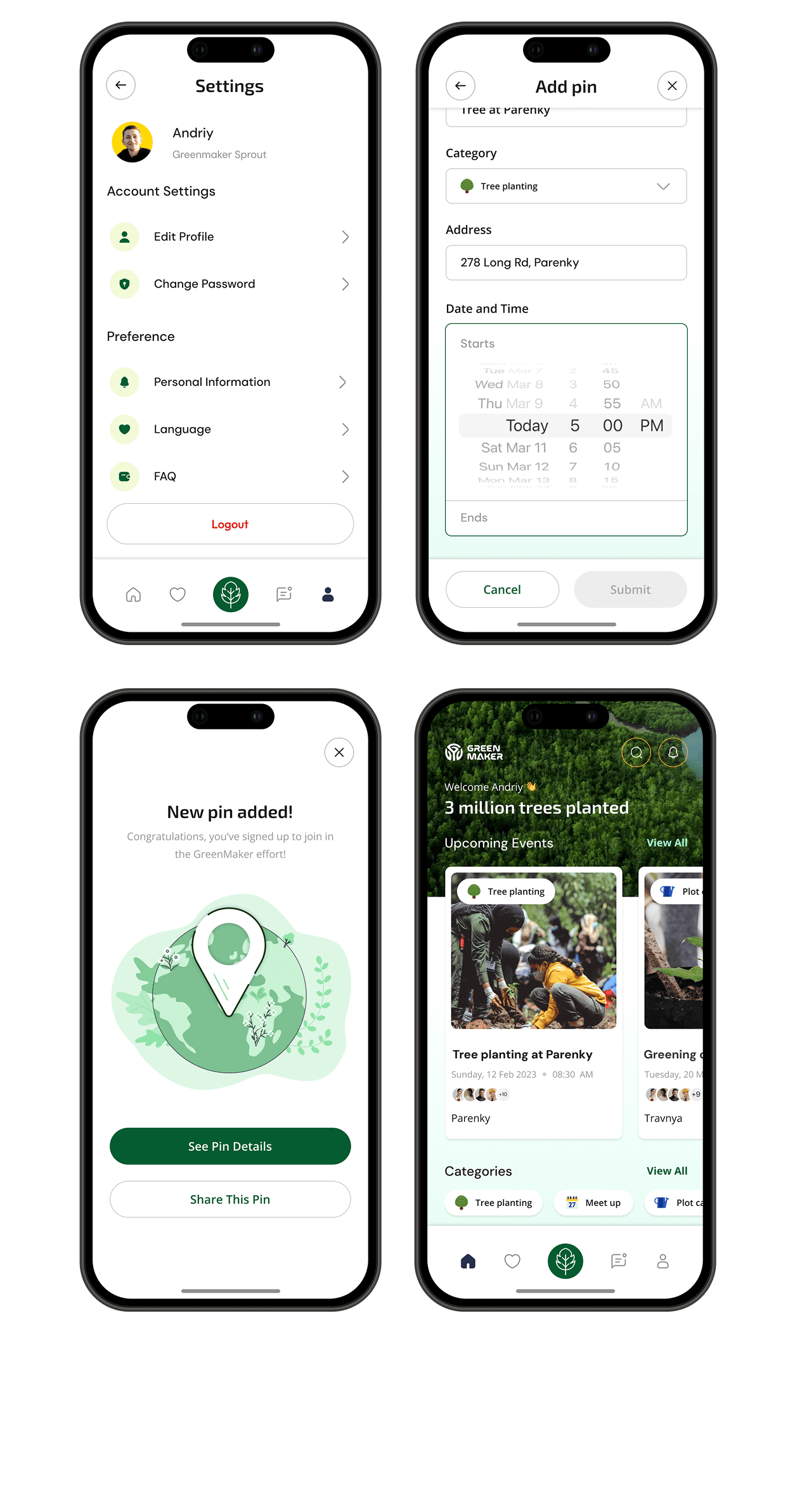
In a 24 hour hackathon sprint, I led a full UX/UI redesign that reduced onboarding steps by 40%, increased post launch engagement by 25%, and delivered a winning MVP securing 3rd place from 9 teams and moving Greenmaker into incubation with N3xtCoder Berlin.
Prototype
Context
Context
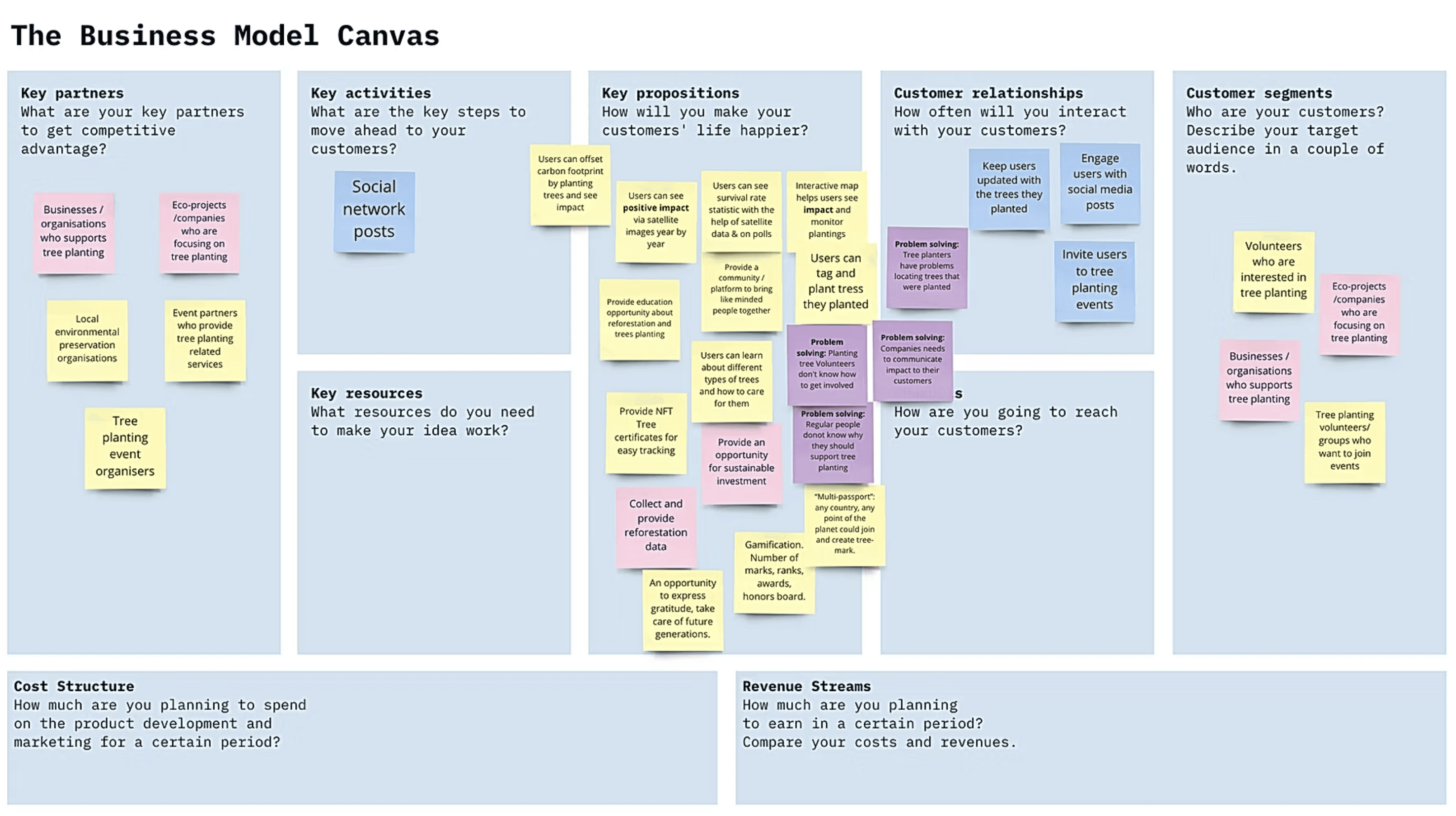
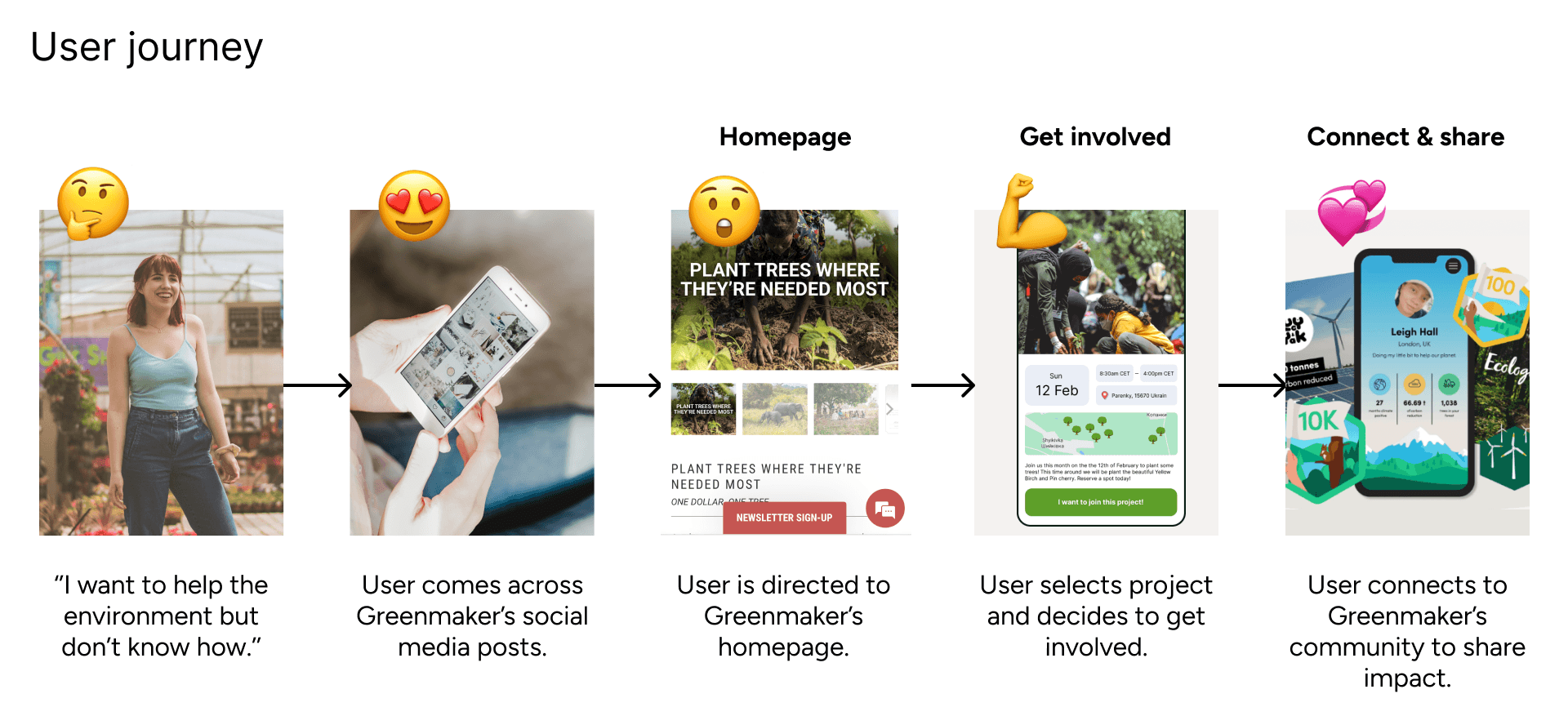
Greenmaker is a reforestation startup rehabilitating war-damaged land in post-war Ukraine. They had an existing tree inventory map but no clear path to growth. I joined at the Green4Europe Hackathon in February 2023 to redesign for activation and retention.
The Problem Wasn't Obvious
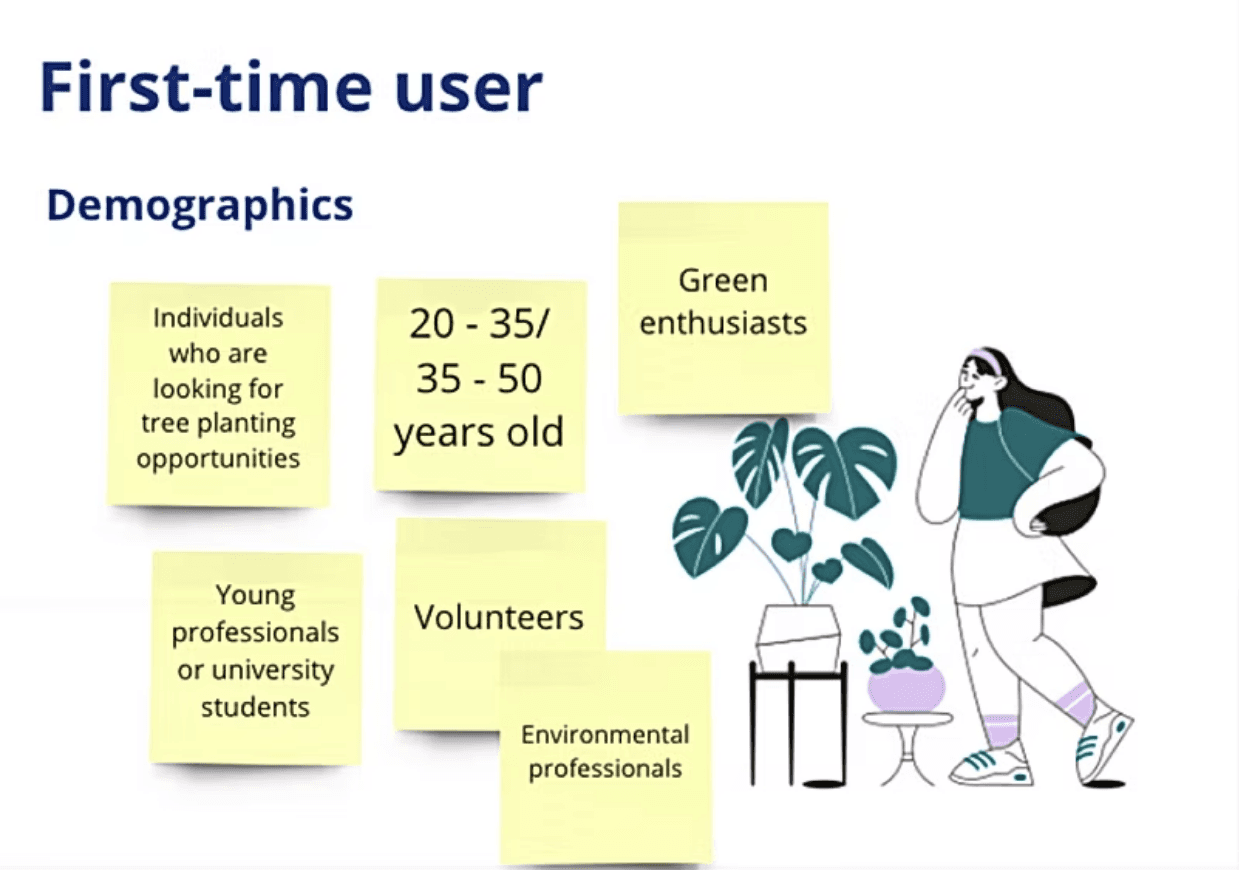
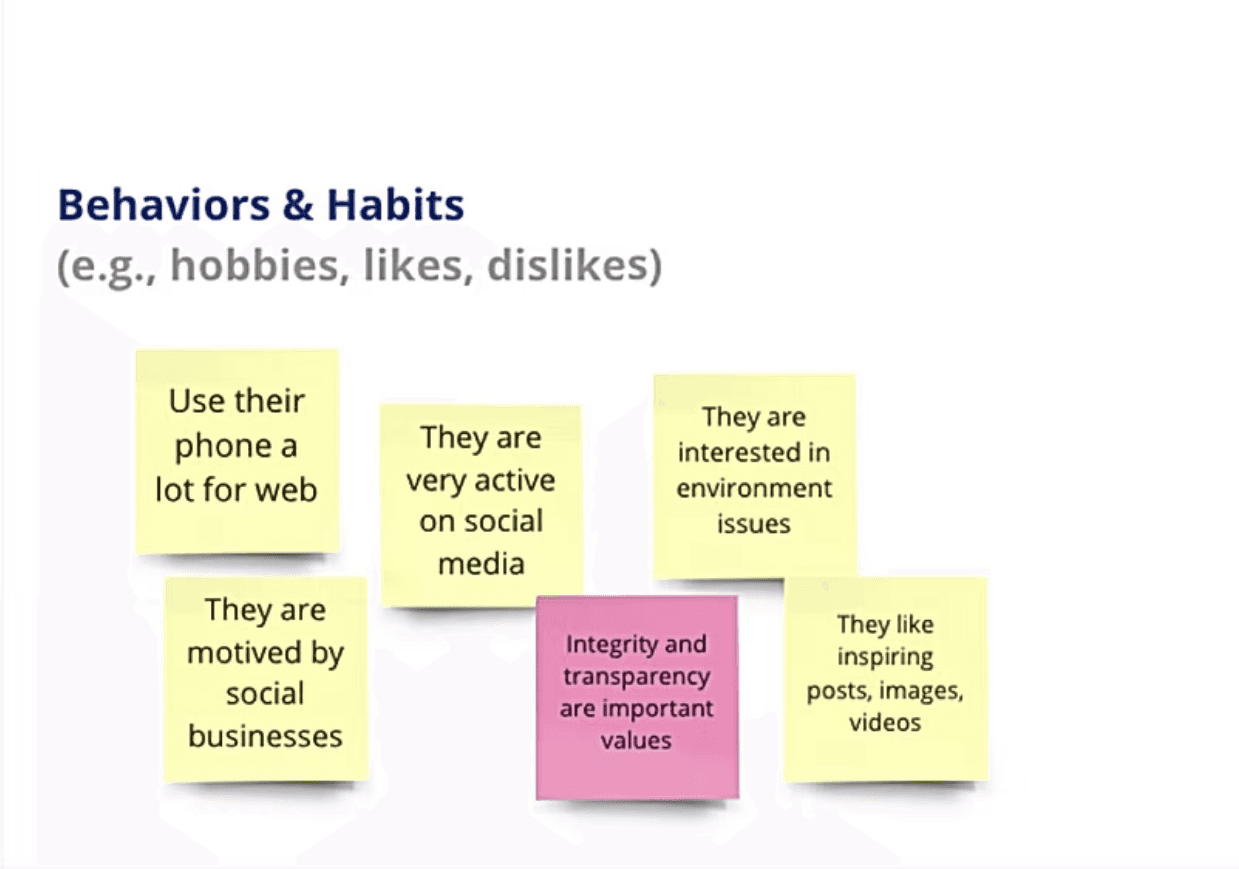
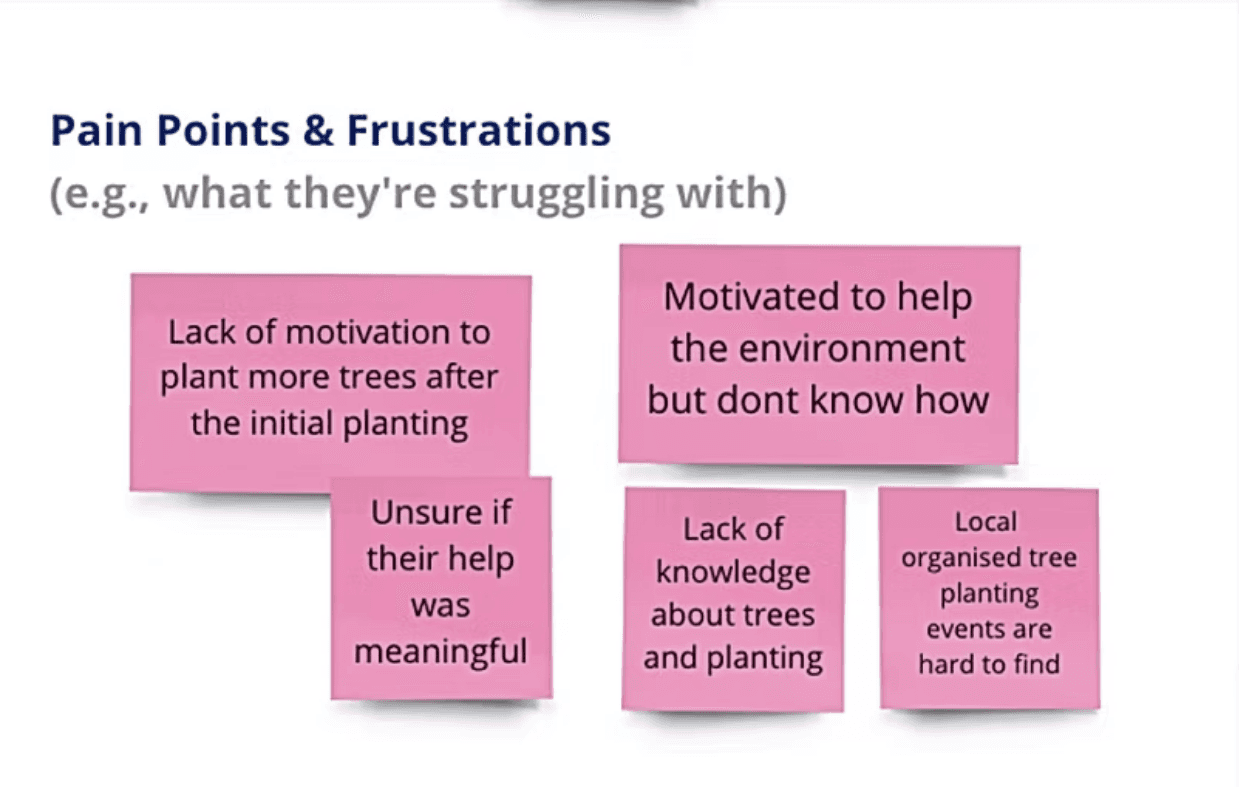
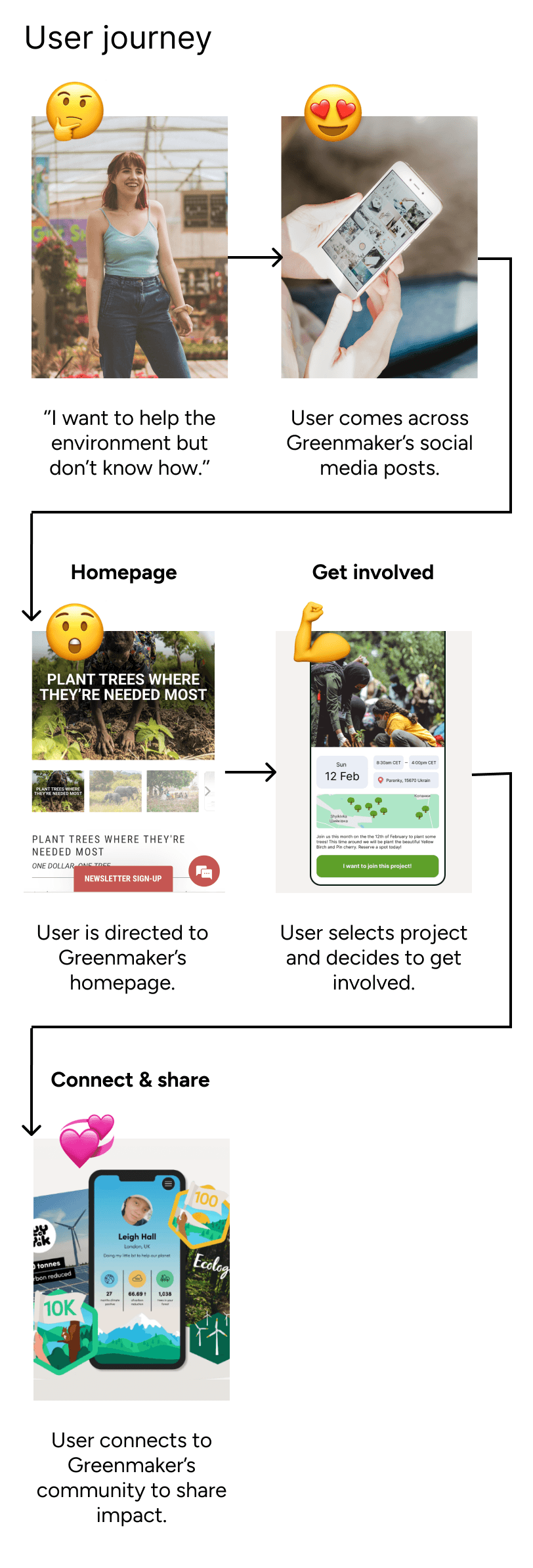
The brief looked simple with low signups and poor retention. But the real problem was structural. The app opened on a slow loading map with no context. New visitors had no idea what Greenmaker was, why it mattered, or what they were supposed to do. The app was built around a feature, not a user.

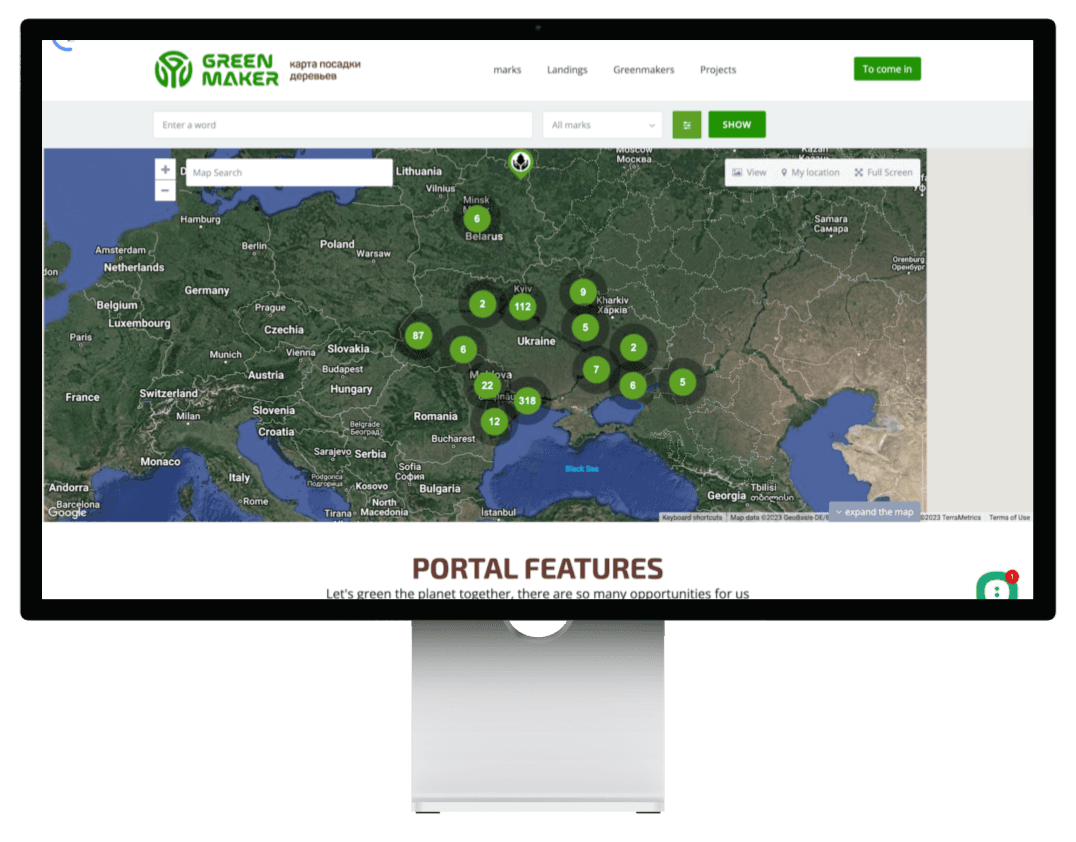
Old Homepage
The map feature dominated the landing page. It was slow to load and left new visitors confused as to what Greenmaker was for and how they could use it.
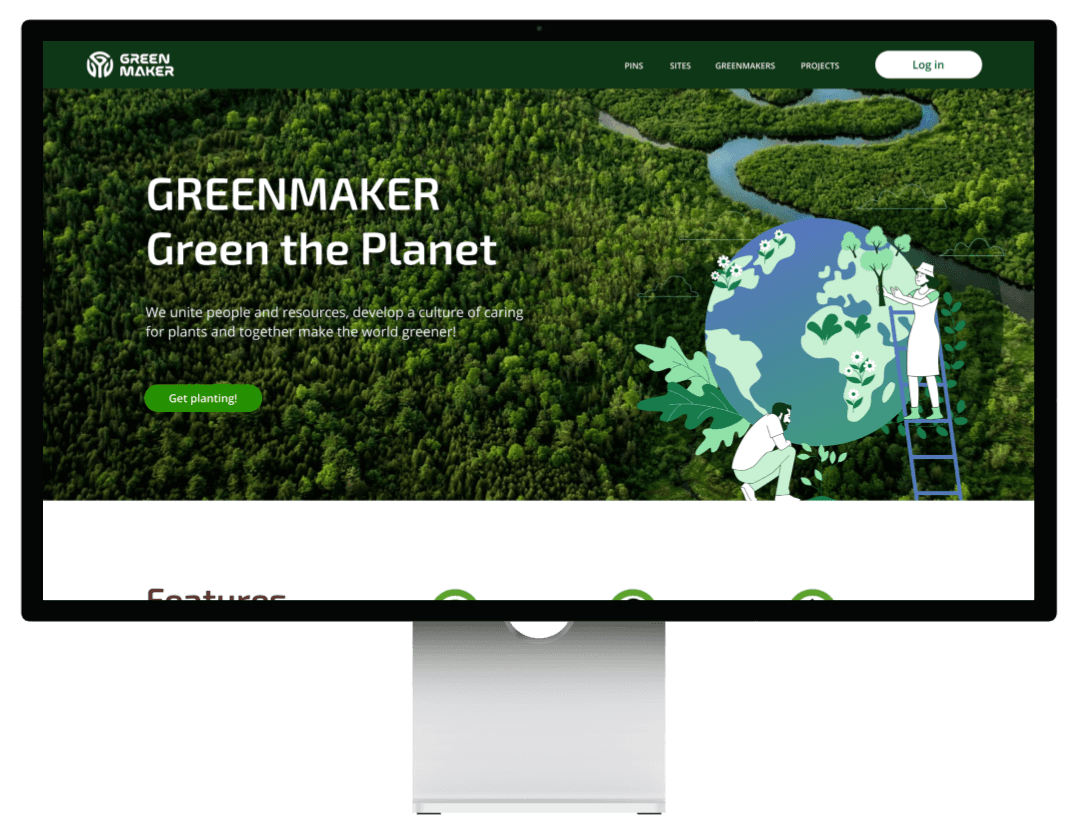
New Homepage
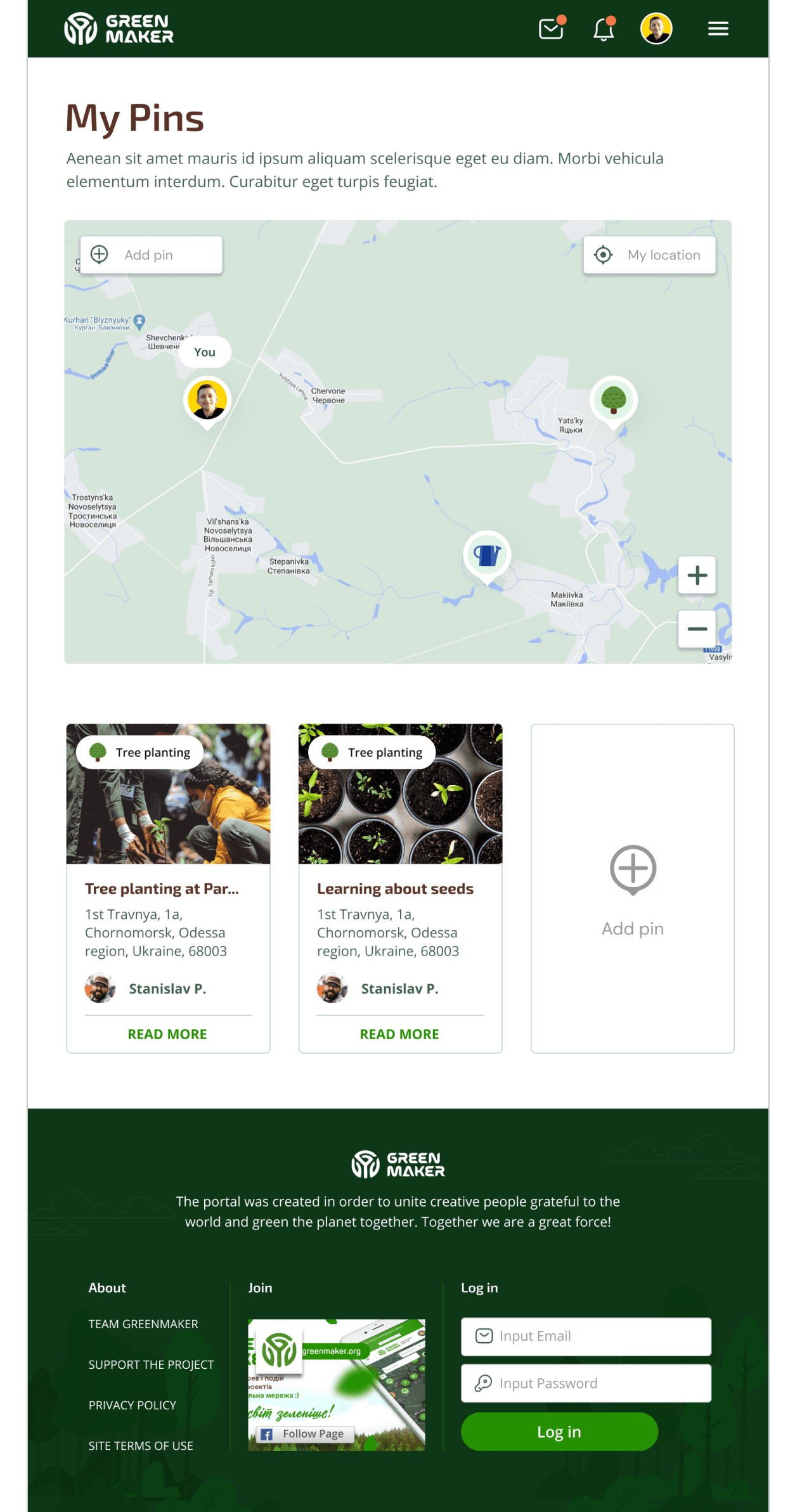
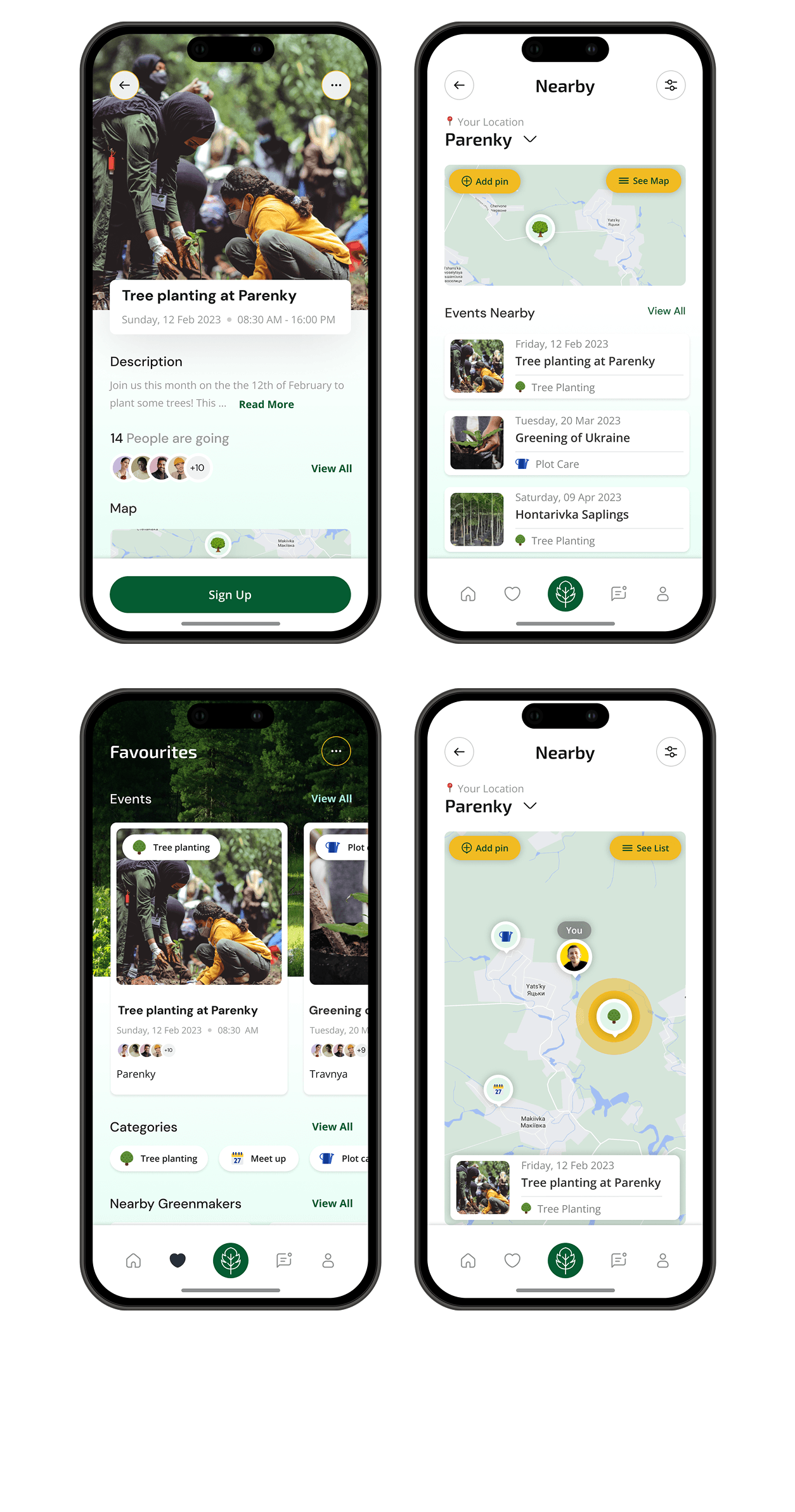
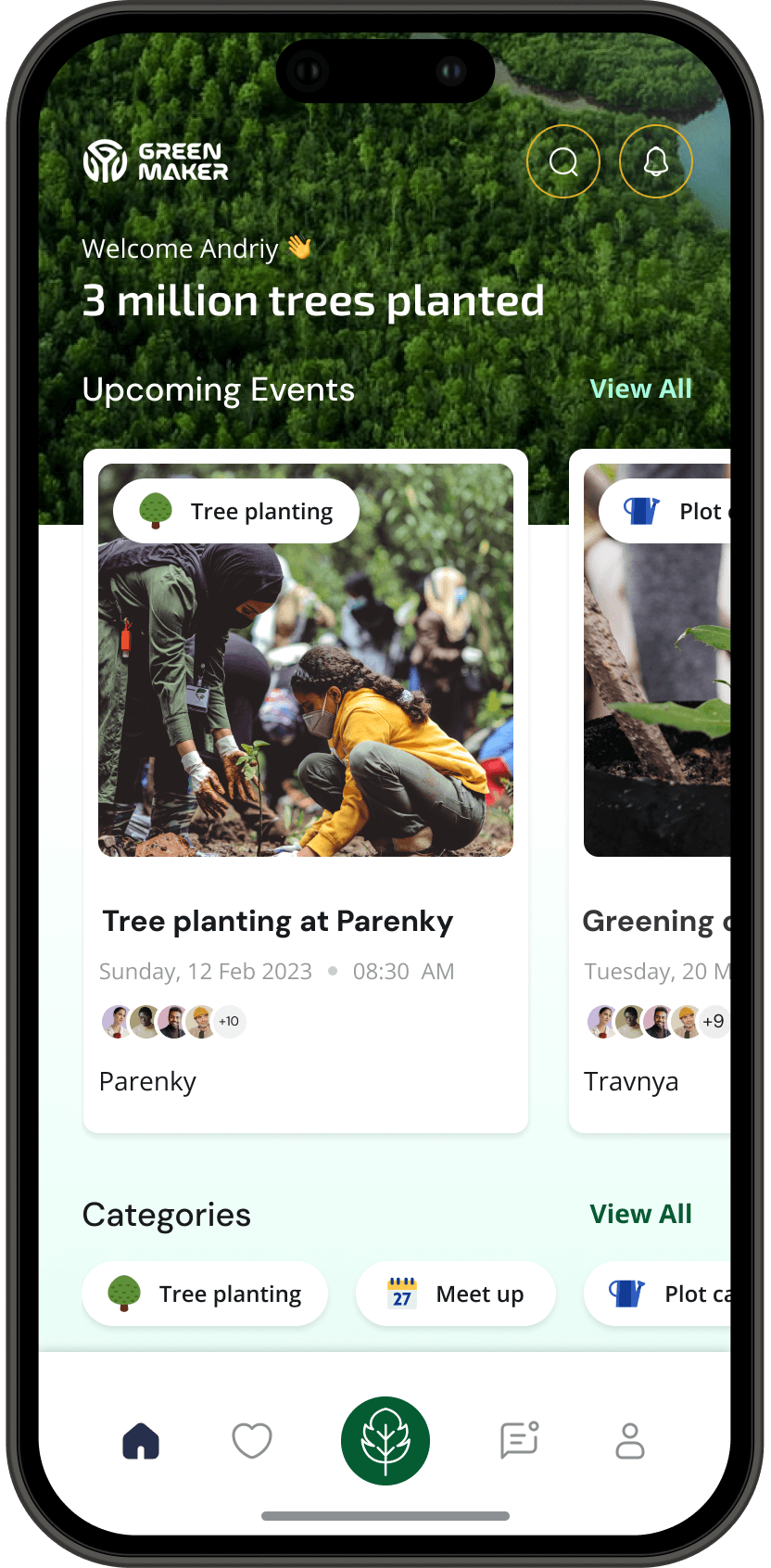
The map is now further down the page, and new visitors land on a gorgeous image and messaging that explains what Greenmakers purpose is.
How I Used AI in This Project
Copywriting variants: Generated 30+ hero headline options in 10 minutes and quickly eliminated 27. The three that survived had emotional specificity the model couldn't produce unprompted, I wrote those.
UI ideation: AI-generated layout concepts gave me a fast starting grid. None shipped unchanged. The final designs came from editorial judgment applied to the raw output.
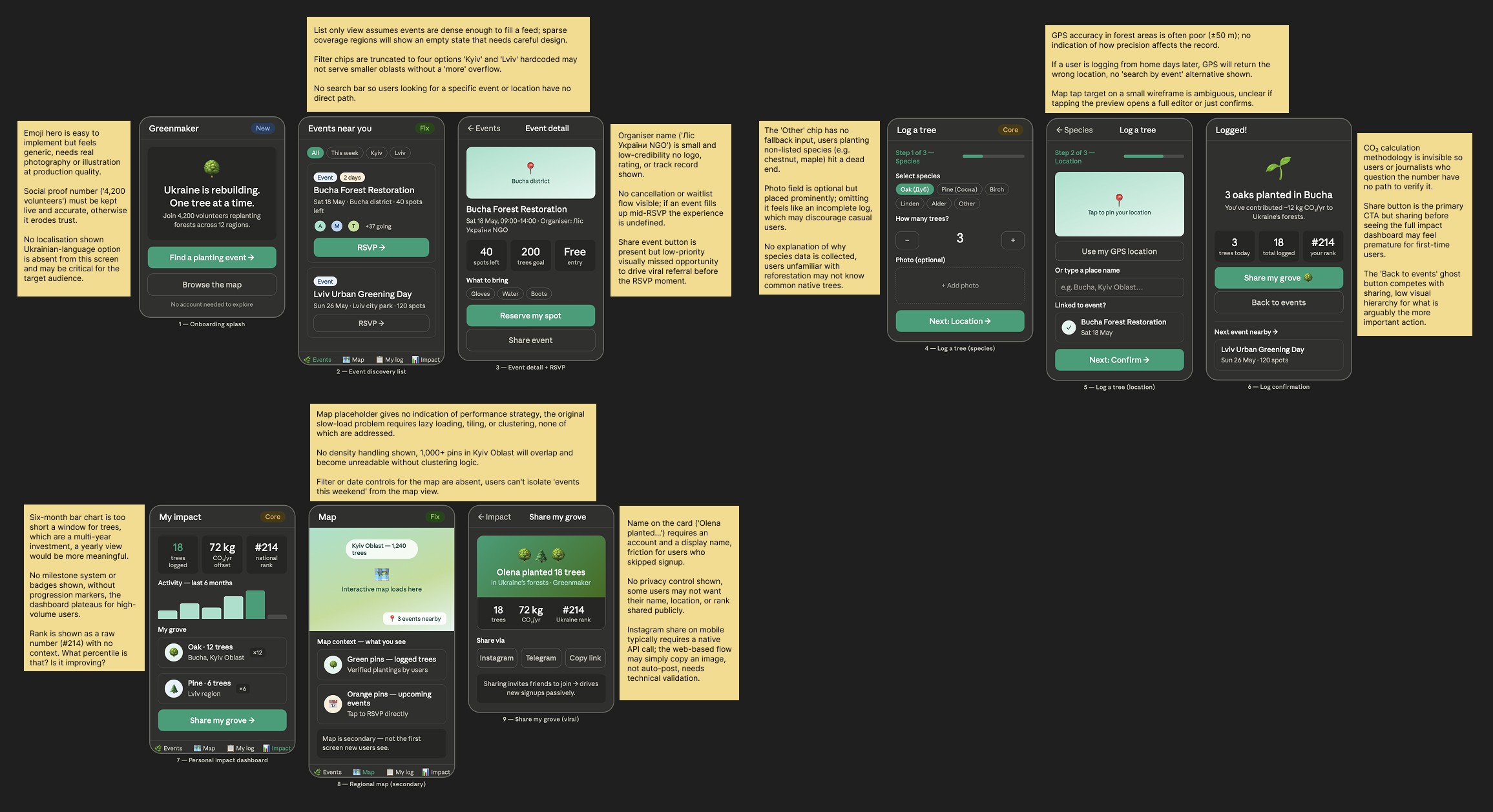
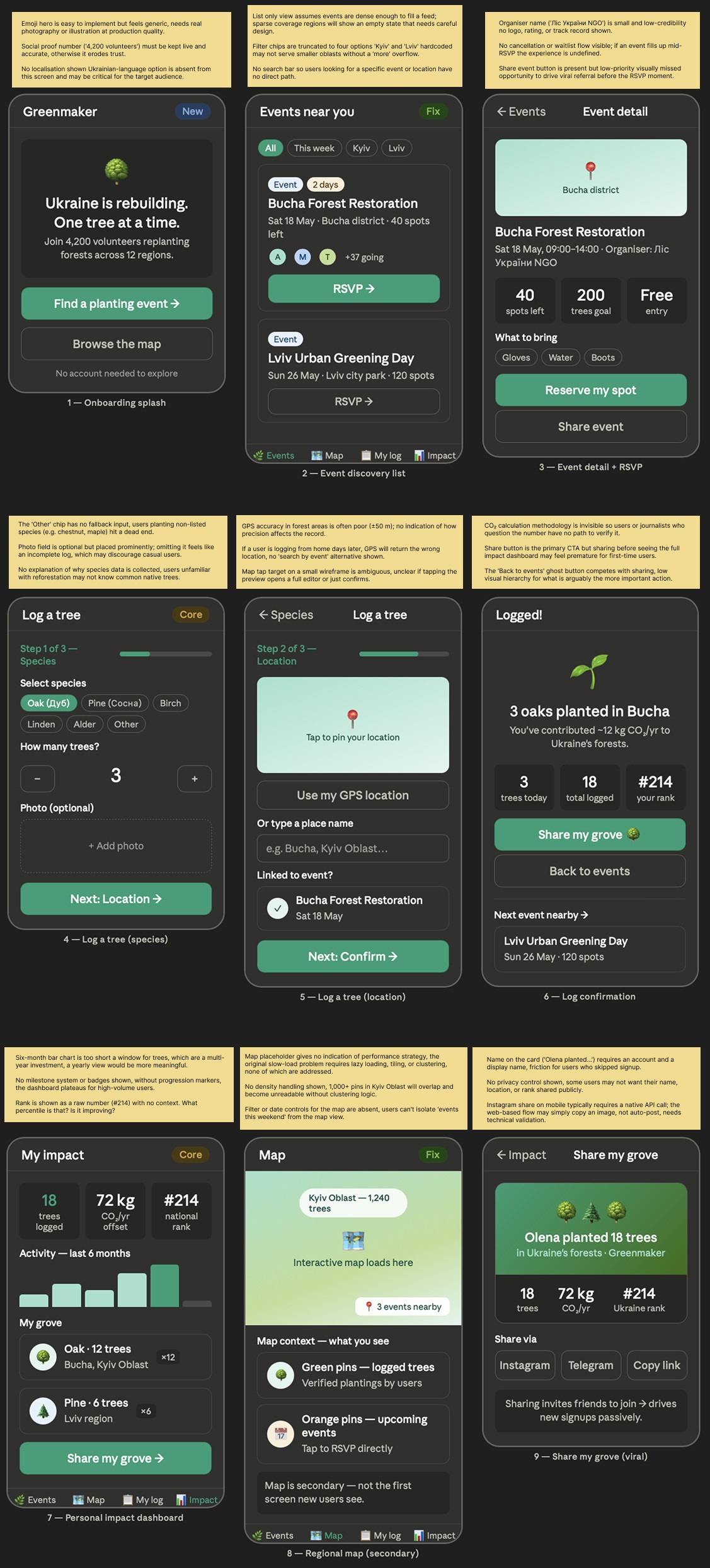
Three Key Actions, One Design Principle
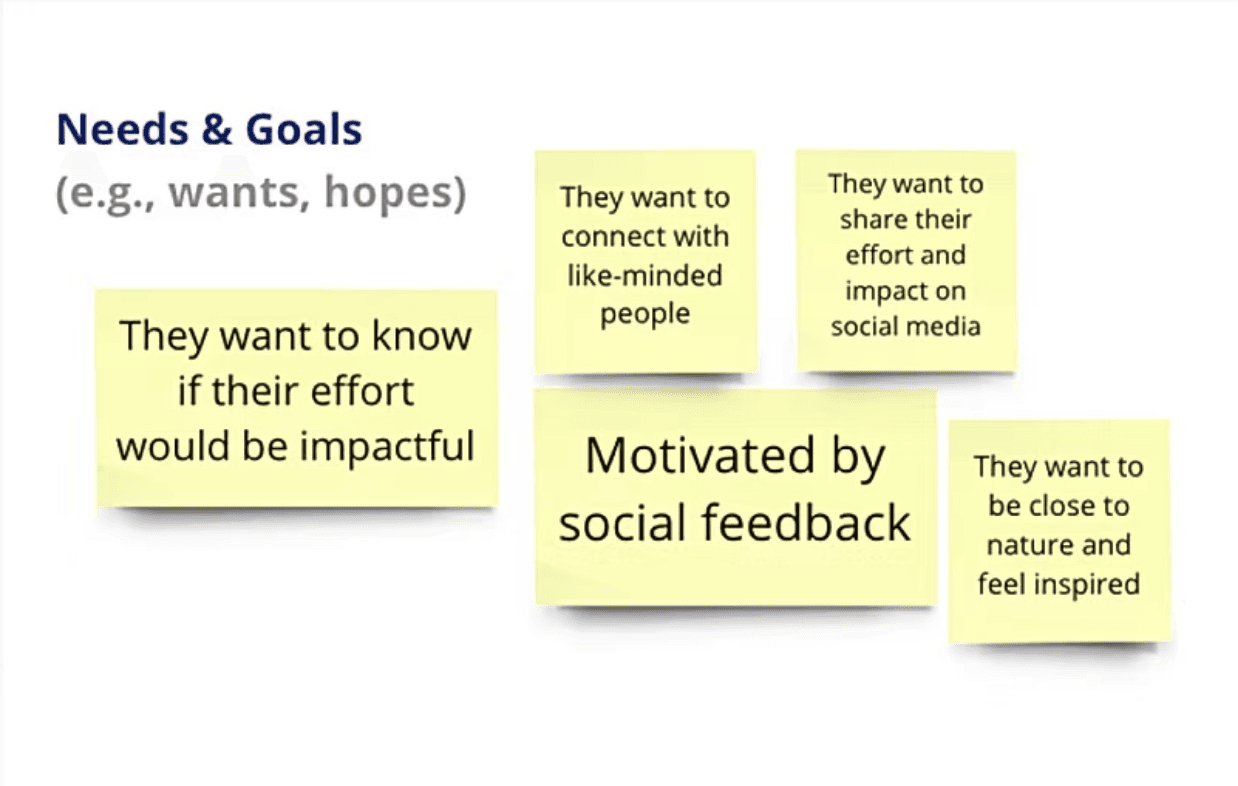
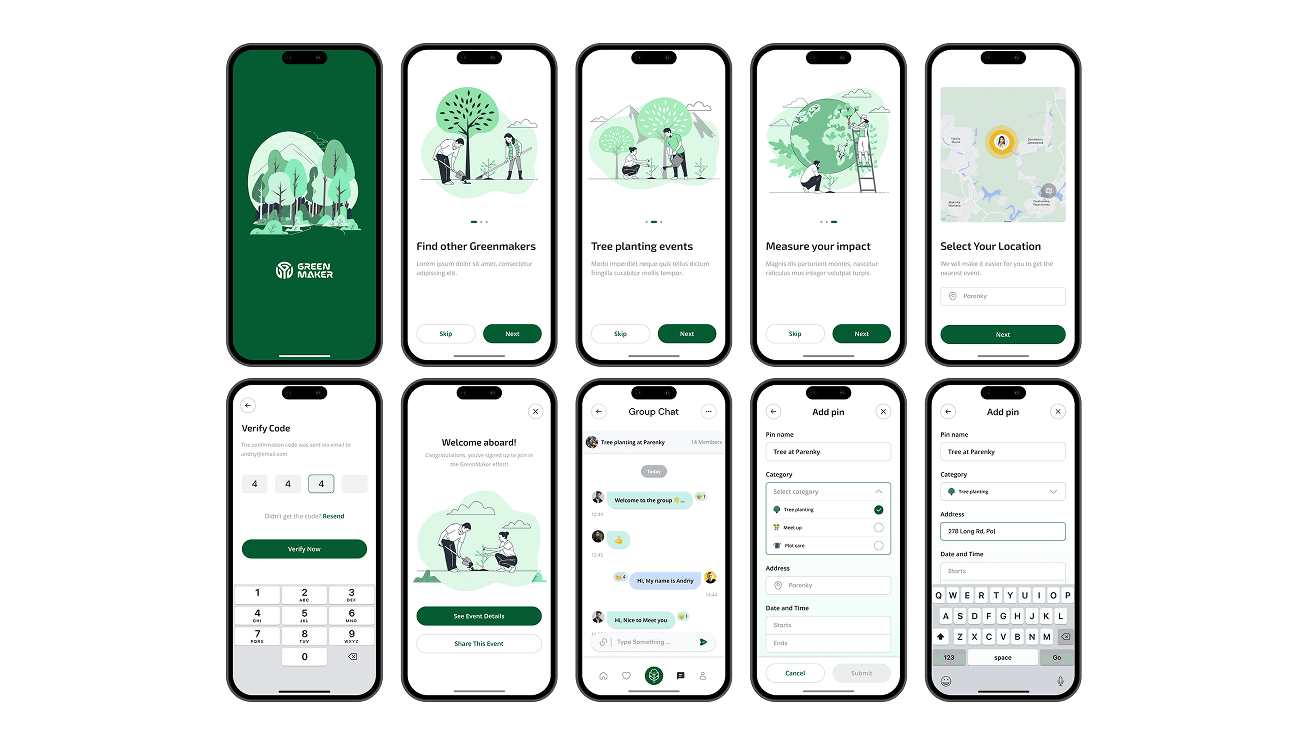
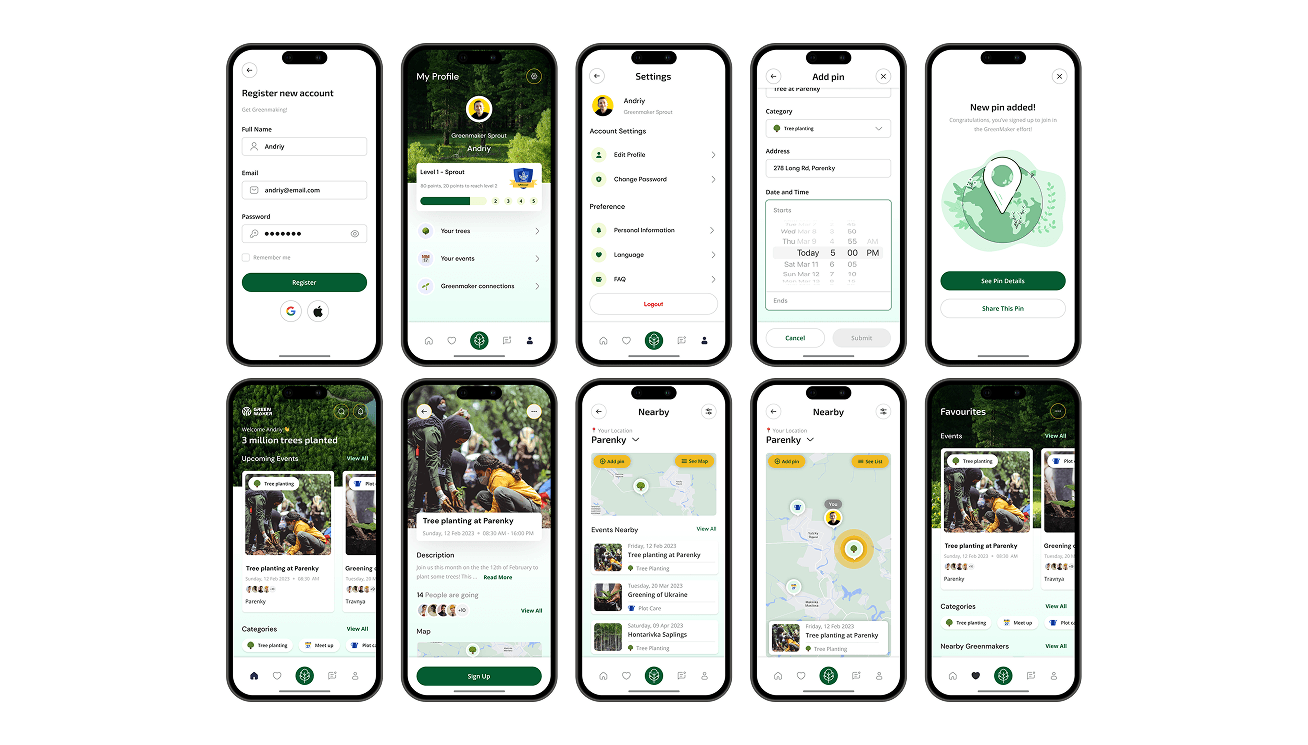
User research surfaced a clear hierarchy of needs. I designed around three core actions:
Find a local project — reduce friction to first contribution
Log and track plants — build ownership and investment
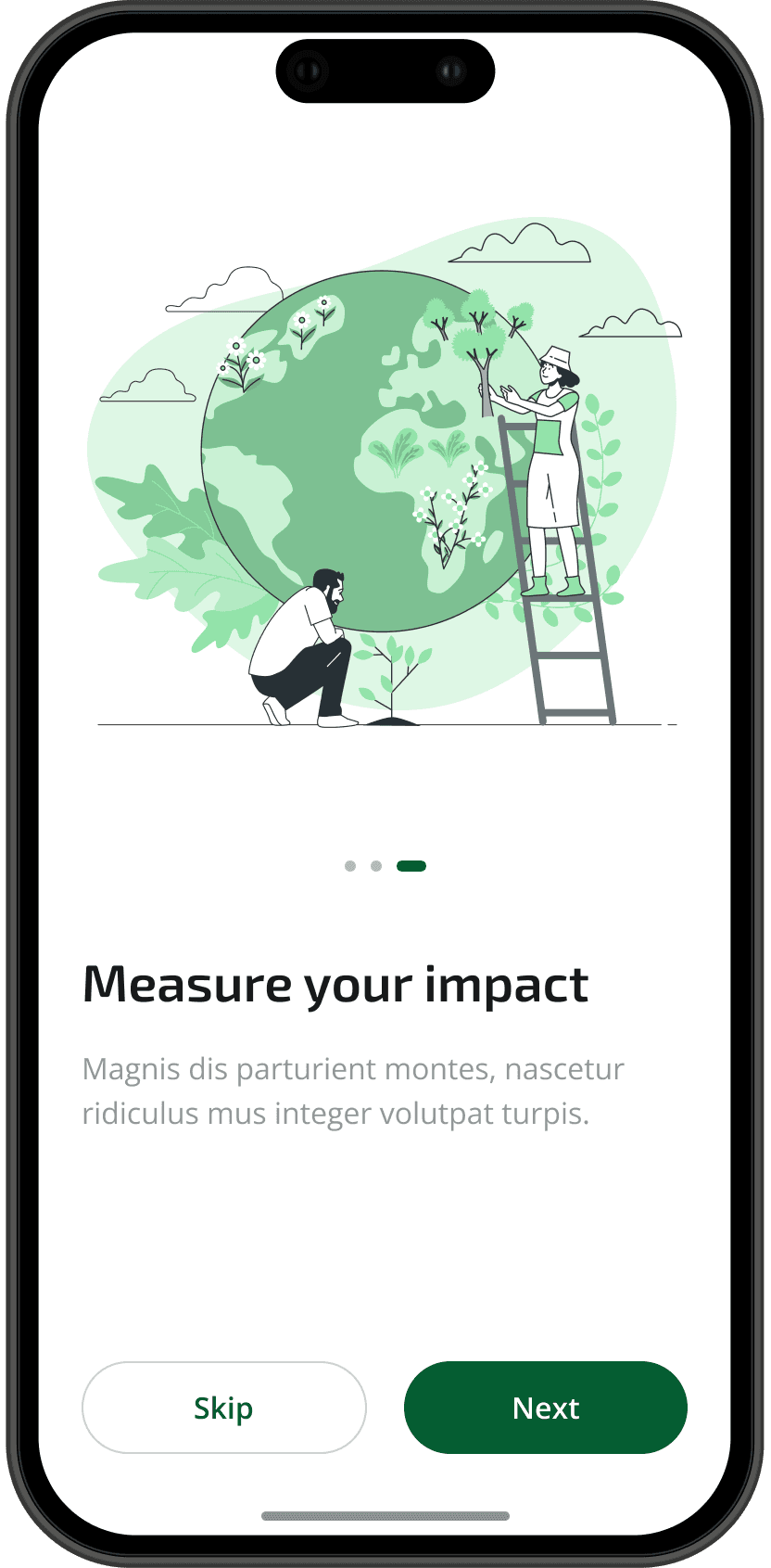
View personal impact — give users a reason to return
Every design decision was filtered through one question: does this make the next action obvious?
User research surfaced a clear hierarchy of needs. I designed around three core actions:
Find a local project — reduce friction to first contribution
Log and track plants — build ownership and investment
View personal impact — give users a reason to return
Every design decision was filtered through one question: does this make the next action obvious?


Where the Model Surprised Me
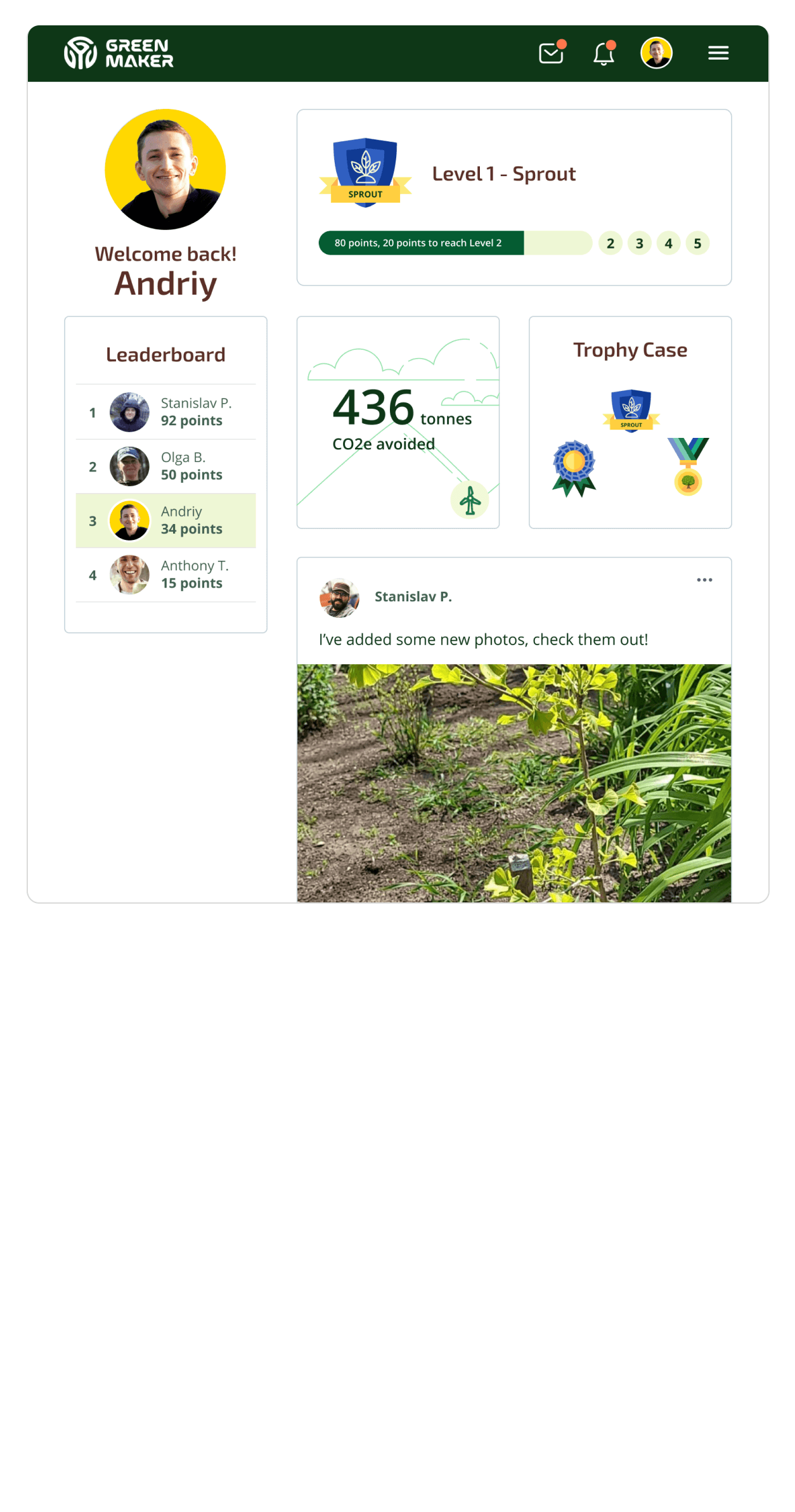
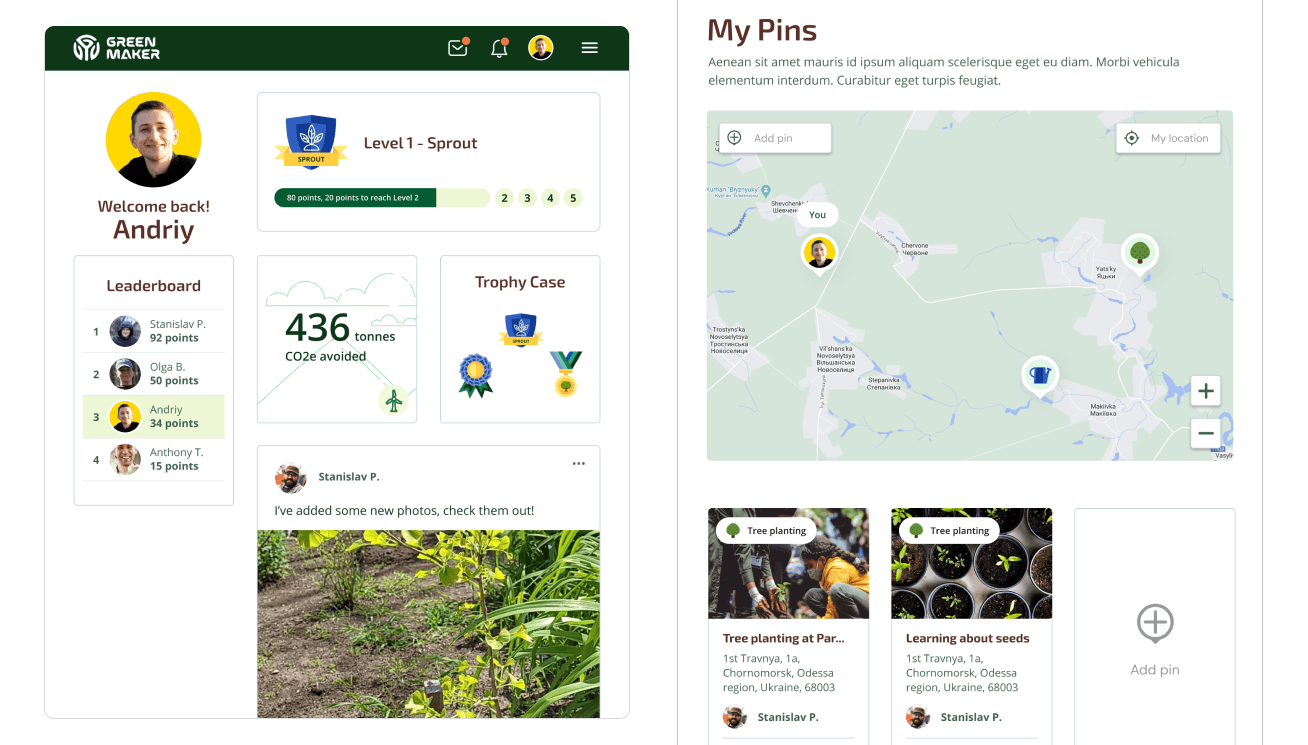
During testing, the gamification logic produced an unexpected failure mode: users who planted fewer trees felt demotivated by league tables, not inspired. The competitive framing backfired for lower-activity users which was the opposite of what we intended.
I redesigned the system to show personal progress trajectories alongside community rankings, so every user had a "winning" frame regardless of absolute output. This wasn't in the original brief. It came from watching real behaviour, not the prototype plan.
During testing, the gamification logic produced an unexpected failure mode: users who planted fewer trees felt demotivated by league tables, not inspired. The competitive framing backfired for lower-activity users which was the opposite of what we intended.
I redesigned the system to show personal progress trajectories alongside community rankings, so every user had a "winning" frame regardless of absolute output. This wasn't in the original brief. It came from watching real behaviour, not the prototype plan.
What I'd Do Differently
More time would mean lower fidelity earlier like paper prototypes, guerrilla testing before pixels. We validated with the team, not enough with strangers. That's a pattern I've since corrected.
Ethical Consideration
Gamification in a humanitarian context carries real risk. Leaderboards can create performative participation like people logging plants they haven't planted. I flagged this early and advocated for verification mechanisms over pure engagement metrics. The tension between growth and integrity wasn't resolved in 24 hours. It's the right ongoing question for the product.
The Result
The Result
A cohesive MVP shipped on deadline, a winning hackathon placement and an ongoing project now in incubation. And a design foundation built for scale, not just the sprint.